The Japanese entertainment industry and culture have become a significant part of the country's identity and a major export to the world. With a rich history dating back to the 17th century, Japan's entertainment industry has evolved over time, incorporating various forms of traditional and modern media. This essay will explore the history, key components, and global impact of the Japanese entertainment industry and culture.
History of Japanese Entertainment
Japan's entertainment industry has its roots in traditional forms of storytelling, such as Kabuki theater (established in 1603) and Bunraku puppetry (17th century). These art forms were heavily influenced by Japanese literature, folklore, and mythology. The modern Japanese entertainment industry, however, began to take shape in the late 19th and early 20th centuries with the introduction of Western-style theater, music, and film.
The post-World War II era saw a significant growth in Japan's entertainment industry, with the emergence of television, radio, and film. The 1960s and 1970s were particularly influential, with the rise of popular music groups like The Beatles-inspired Japanese bands, such as The Spiders and The Tempters. This period also saw the birth of Japan's iconic anime (animation) industry, with the works of studios like Toei Animation and Studio Ghibli.
Key Components of Japanese Entertainment
The Japanese entertainment industry encompasses a wide range of media, including:
Anime and Manga : Japan's vibrant anime and manga culture has become a staple of the country's entertainment industry. Anime, which includes TV shows and films, has gained a massive global following, with popular titles like "Dragon Ball," "Naruto," and "Attack on Titan." Manga, Japanese-style comics, have also become incredibly popular worldwide, with many titles being translated and published internationally.
J-Pop and J-Rock : Japanese popular music, known as J-Pop and J-Rock, has a significant following both domestically and internationally. Artists like AKB48, Arashi, and Perfume have gained immense popularity, and many Japanese music festivals, such as the Tokyo Music Festival, attract large audiences.
Film and Television : Japan's film industry has produced many critically acclaimed directors, such as Akira Kurosawa, Hayao Miyazaki, and Takashi Miike. Japanese television dramas and variety shows, like "Terrace House" and " Downtown's Gaki no Tsukai," have also gained popularity worldwide.
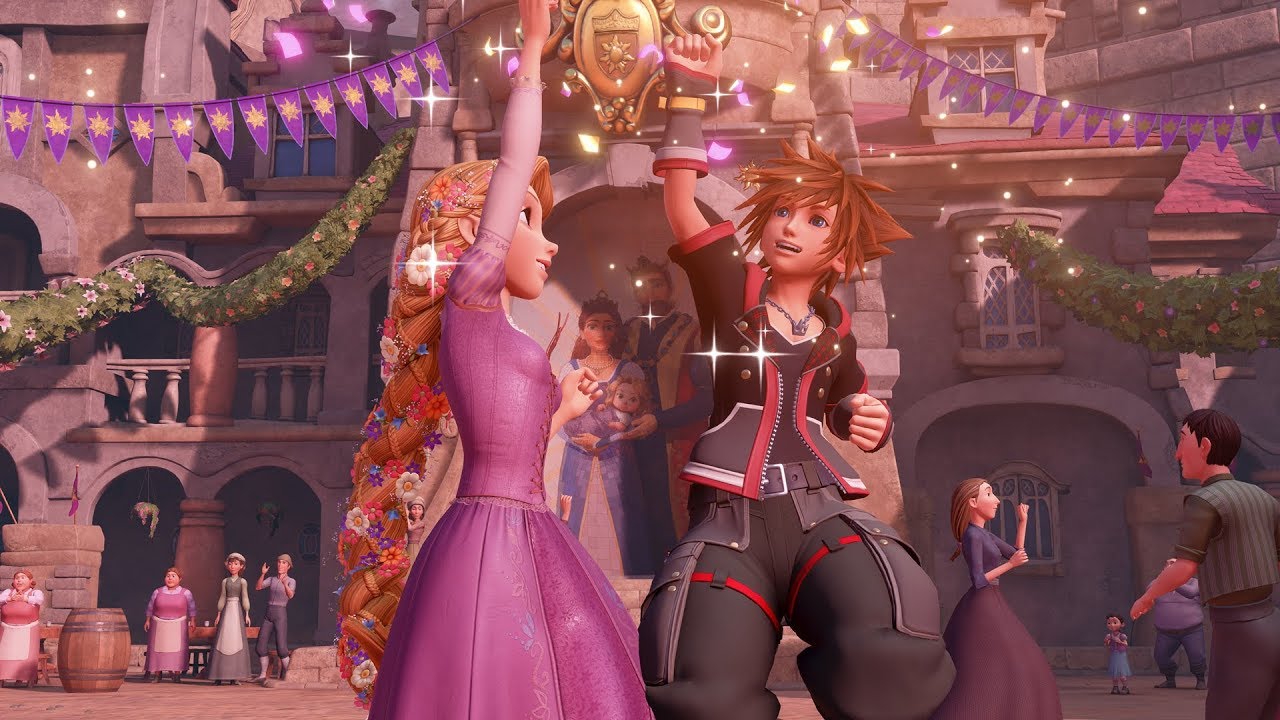
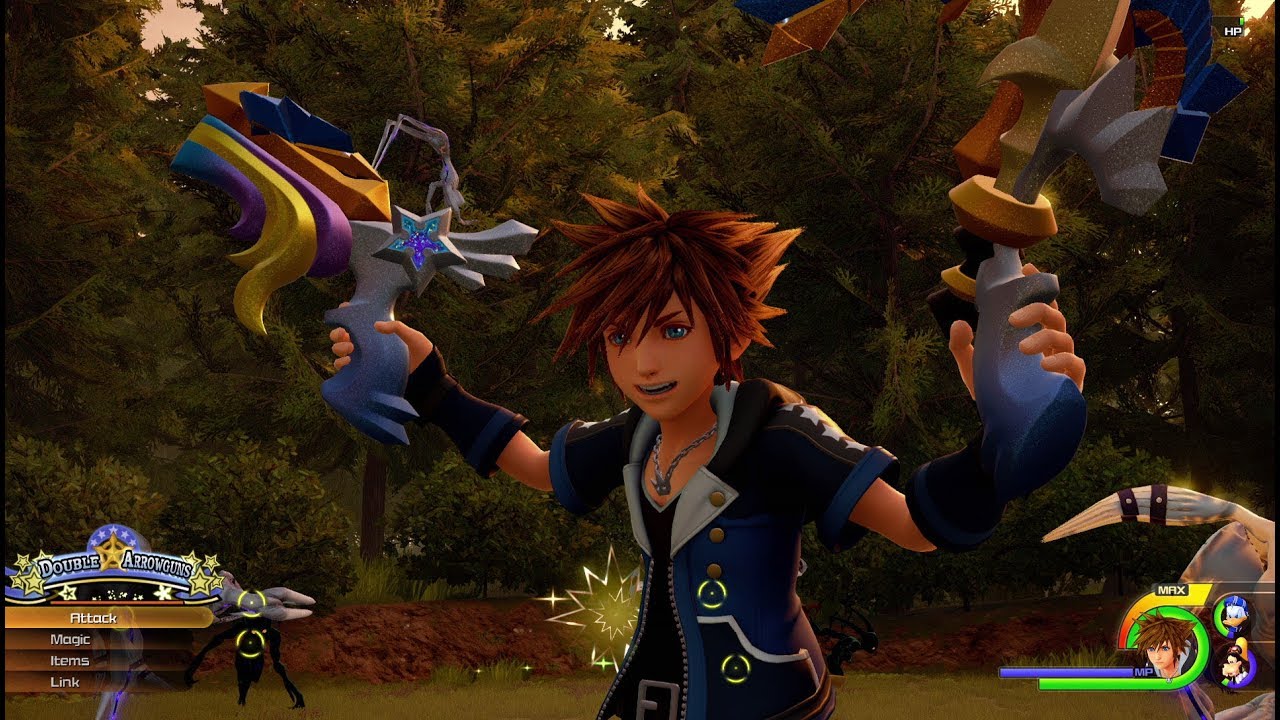
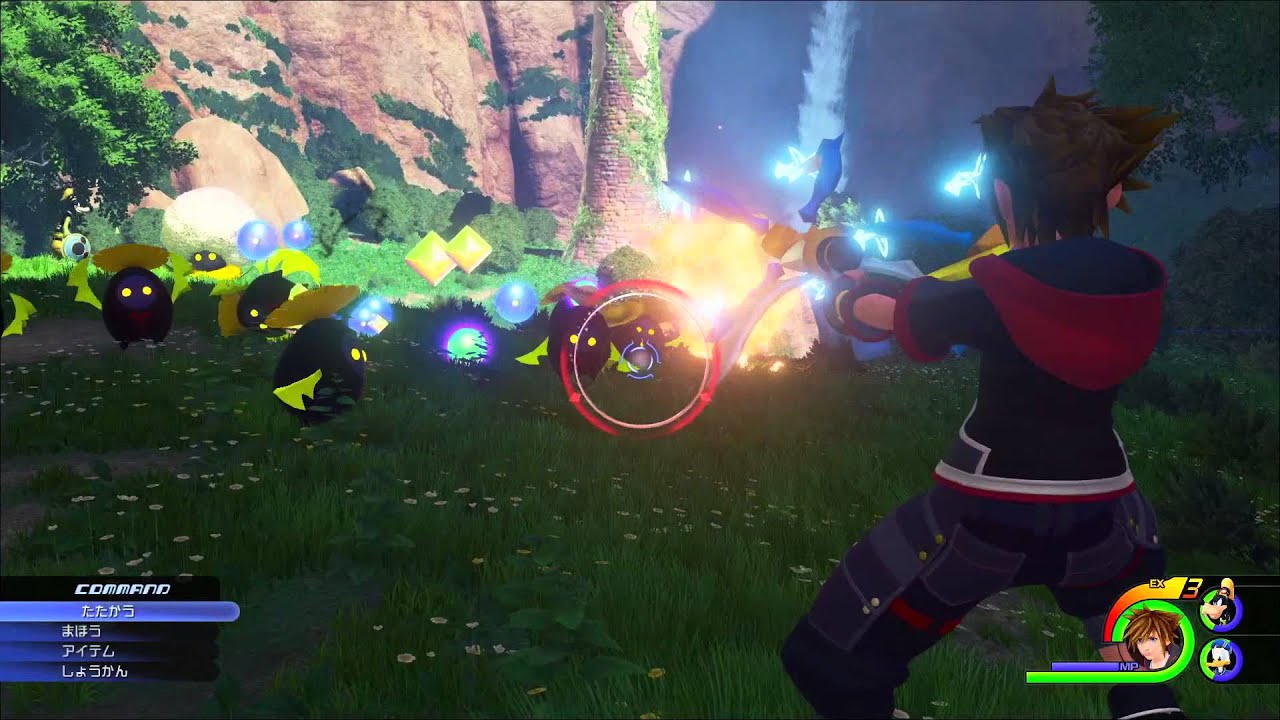
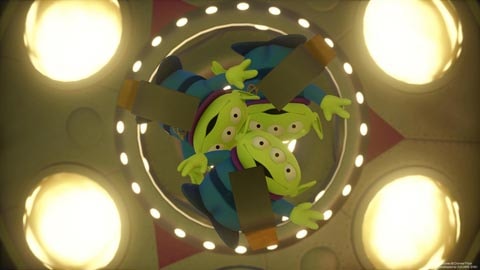
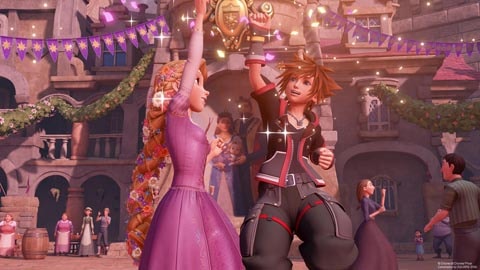
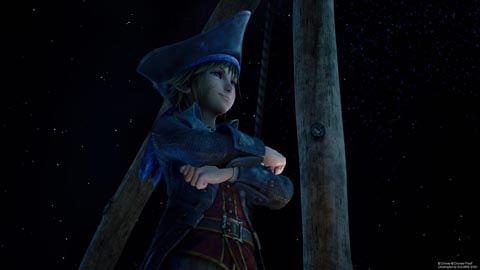
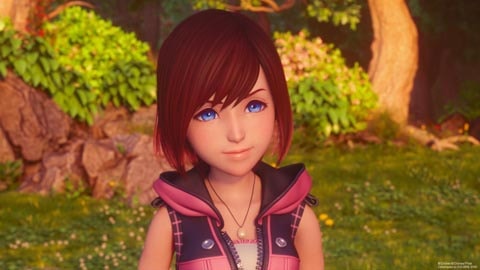
Video Games : Japan is renowned for its video game industry, with iconic companies like Sony, Nintendo, and Capcom producing beloved games like "Pokémon," "Super Mario," and "Street Fighter."
Global Impact of Japanese Entertainment
The Japanese entertainment industry has had a profound impact on global popular culture. The country's unique blend of traditional and modern elements has captivated audiences worldwide, inspiring numerous fan communities and influencing various forms of media.
The global spread of Japanese entertainment can be attributed to several factors:
Digital Distribution : The widespread adoption of digital platforms, such as streaming services and social media, has made it easier for Japanese entertainment to reach global audiences.
Cultural Exchange : Increased cultural exchange between Japan and other countries has led to a growing interest in Japanese culture, including its entertainment industry.
Fandom and Community : The passionate and dedicated fan base of Japanese entertainment has played a significant role in promoting and sharing Japanese media with a broader audience.
Conclusion
The Japanese entertainment industry and culture have become an integral part of the country's identity and a significant contributor to its economy. With a rich history, diverse range of media, and global impact, Japan's entertainment industry continues to evolve and captivate audiences worldwide. As the industry continues to grow and adapt to changing technologies and trends, it is likely that Japanese entertainment will remain a major player in the global cultural landscape.
References
Komatsu, H. (2016). The Japanese Entertainment Industry: A Study on the Structure and the Trends. Journal of Entertainment and Media Studies, 17(1), 1-15.
Tada, M. (2018). A History of Japanese Animation. Japan Quarterly, 65(2), 32-41.
Shiokawa, T. (2015). Japanese Popular Music: A Study on the History and the Characteristics. Journal of Musicology, 22(1), 1-16.
The Japanese entertainment industry is currently experiencing a global renaissance, characterized by a shift from domestic isolation to widespread international influence across anime, gaming, and cinema. Traditionally, Japanese media was primarily limited to its large domestic market, but modern streaming platforms and social media have now made it a cornerstone of global youth culture. Core Pillars of Japanese Entertainment
In the neon-drenched back alleys of Tokyo’s Kabukicho district, 74-year-old Haruo “Harry” Tanaka ran the last kissaten that refused to die. His coffee shop was a museum of Showa-era nostalgia: velvet chairs, a dusty jukebox playing enka ballads, and a single cracked TV that hadn’t been tuned to anything but NHK’s sumo coverage since 1999.
Then Rei came in from the rain.
She was 22, dripping with the aesthetic of a modern jirai-kei —lace and scuffed platform boots, a face full of sad-girl makeup, and a phone buzzing with notifications from a management company she was desperately trying to escape. She was a “chika idol,” one of hundreds who perform in tiny basements for a handful of salarymen. Her group, “Strawberry Tears,” had a contract that paid in exposure and demanded everything else.
“Old man,” she said, slapping a thousand-yen coin on the counter. “Strongest coffee you have. And tell me… how did you survive?”
Harry didn’t ask what she meant. He’d seen the flyers plastered over her phone case: “Graduation concert next week! Final chance to buy tickets to meet Rei-chan!” He knew the industry’s unspoken rule: idols were born, burned bright for eighteen months, and then discarded into the Tokyo gutter or worse—a hostess bar.
“Survive?” He poured a thick, black brew into a cup shaped like a Mount Fuji souvenir. “I didn’t survive, girl. I just refused to play the game.”
He pointed to a faded photograph behind the counter. It showed a young man in a sharp tuxedo, holding a microphone stand, standing next to a giant puppet of a tuna fish. “Me, 1969. I was a waratte ii tomo? level comedian’s straight man. My partner got famous. I got the puppet.”
Rei laughed—a genuine, rusty sound. “That’s brutal.”
“That’s geinōkai ,” Harry shrugged. “The floating world. You float, or you sink. I opened this shop. The yakuza who owned the building went legit. The bubble burst. The host clubs moved in. But the old otaku who remember when idols sang about trains and sadness? They still come here.”
For the next week, Rei returned. She didn’t just drink coffee; she studied. Harry showed her the ghosts of the industry: the signed shikishi boards of enka singers who died penniless, the prop microphone from a sentai hero who now worked construction, the love letter a fan wrote to a Takarazuka actress who vanished in the 80s.
“The machine wants you to be a product,” Harry said one night, as a typhoon rattled the windows. “But the audience? They’re not stupid. They sense the lie. The most famous idols aren’t the best singers. They’re the ones who let a little of the real ache show.”
The night of her “graduation” concert arrived. Strawberry Tears’ management had booked a live house in Shibuya. The plan: Rei would sob through her final song, thank her “oshi” (her top fan), and then quietly retire to become a office lady. But as she stood in the wings, listening to the canned J-pop beat, she felt the lie in her throat.
She ripped off the fake pink wig.
She walked on stage in her street clothes—worn-out hoodie, hair a mess. The crowd of forty fans gasped. The manager in the back hissed into a headset. But Rei grabbed the microphone and didn’t sing the saccharine goodbye song. Instead, she sang an old, forgotten kayōkyoku —a 1970s melody about a woman who works in a factory, dreaming of the sea. Harry had hummed it once while wiping a cup.
It was off-key. It was raw. She told a story between verses: about the sleepless nights, the producer who asked for “favors,” the debt she took to pay for the dance lessons. She didn’t cry on cue. She cried because she was human.
Halfway through, a salaryman in the front row—her only dedicated fan, a quiet man who always held a blue penlight—stood up and turned his light red. A sign of rebellion. Then another. Then ten. The room bled from pink to crimson.
The manager stormed the stage. But the crowd, those forgotten salarymen and lonely housewives, formed a wall. They had seen the real thing. Not the idol. The person.
Three days later, the clip went viral. Not on mainstream TV, but on the dark corners of YouTube and TikTok, where disillusioned fans gathered. Rei didn’t get a record deal. She didn’t want one.
Instead, a small crowdfunding campaign started. By the end of the month, she had enough to rent the vacant nagaya row house next to Harry’s kissaten. She painted the door mint green and hung a hand-painted sign: “Ache Records – Real Songs for Real People.”
Harry stood in his doorway, arms crossed, trying not to smile. “You’ll fail,” he grumbled.
“Probably,” Rei said, holding a pot of his coffee. “But I won’t lie.”
Inside the shop, the jukebox clicked to a new track—not enka, but Rei’s scratchy demo. A young otaku with a backpack walked in, looked at the Mount Fuji cup, and asked for the strongest coffee they had.
In the floating world, sometimes the best way to stay afloat is to stop treading water and learn to sink on your own terms.
The Vibrant World of Japanese Entertainment: A Glimpse into the Country's Thriving Culture
The Japanese entertainment industry is a multifaceted and dynamic sector that has been captivating audiences worldwide for decades. From its rich cultural heritage to its cutting-edge technology and innovative trends, Japan's entertainment scene is a unique blend of traditional and modern elements. In this article, we'll explore the fascinating world of Japanese entertainment, delving into its history, popular culture, and the various forms of entertainment that have made Japan a hub for creativity and innovation.
History of Japanese Entertainment
Japanese entertainment has a long and storied history, dating back to the country's feudal era. Traditional forms of entertainment, such as Noh theater, Kabuki, and Bunraku, have been performed for centuries, showcasing Japan's rich cultural heritage. These classical art forms continue to influence contemporary Japanese entertainment, with many modern artists drawing inspiration from traditional techniques and themes.
Popular Culture: The Rise of J-Pop and J-Rock
In the post-war era, Japanese popular culture began to take shape, with the emergence of J-Pop (Japanese pop music) and J-Rock (Japanese rock music). Artists like Kyu Sakamoto, who sang the iconic song "Ue o Muite Arukō" (also known as "Sukiyaki"), and rock bands like The Blue Hearts and X Japan, gained immense popularity both domestically and internationally.
Today, J-Pop and J-Rock continue to thrive, with new generations of artists pushing the boundaries of music and performance. Idol groups like AKB48, Arashi, and One Direction-inspired boy bands have become incredibly popular, while solo artists like Ayumi Hamasaki, Utada Hikaru, and Kyary Pamyu Pamyu have achieved global recognition.
Japanese Cinema: A Global Phenomenon
Japanese cinema has a long history of producing critically acclaimed films that have captivated audiences worldwide. Akira Kurosawa's classic films, such as "Seven Samurai" (1954) and "Rashomon" (1950), are still widely regarded as some of the greatest films of all time.
In recent years, Japanese cinema has continued to evolve, with filmmakers like Hayao Miyazaki, Studio Ghibli, and Mamoru Oshii making significant contributions to the industry. Films like "Spirited Away" (2001), "Your Name" (2016), and "Ghost in the Shell" (1995) have achieved global success, showcasing Japan's unique blend of animation, science fiction, and fantasy.
Video Games: A Billion-Dollar Industry
The Japanese video game industry is a global leader, with iconic companies like Sony, Nintendo, and Capcom producing some of the most beloved games of all time. From classic arcade games like Pac-Man (1980) and Space Invaders (1978) to modern console games like "The Legend of Zelda" and "Grand Theft Auto," Japanese game developers have consistently pushed the boundaries of innovation and creativity.
The gaming industry in Japan is worth billions of dollars, with many popular franchises, such as Pokémon, Dragon Quest, and Final Fantasy, boasting massive global followings.
TV and Variety Shows: A Glimpse into Japanese Humor
Japanese television is known for its diverse range of programming, from drama series and variety shows to anime and documentaries. TV shows like "Terrace House" and "Gaki no Tsukai" offer a glimpse into Japanese humor and culture, showcasing the country's unique blend of wit, satire, and absurdity.
Traditional Entertainment: Preserving Cultural Heritage
Despite the rise of modern entertainment, traditional forms of Japanese entertainment continue to thrive. Traditional festivals, such as the Cherry Blossom Festival (Hanami) and the Star Festival (Tanabata), are celebrated throughout Japan, showcasing the country's rich cultural heritage.
Influence on Global Entertainment
Japanese entertainment has had a significant impact on global popular culture, with many international artists drawing inspiration from Japanese trends and styles. The influence of anime and manga can be seen in Western animation, while J-Pop and J-Rock have inspired a new generation of musicians worldwide.
Conclusion
The Japanese entertainment industry is a vibrant and diverse sector that has been captivating audiences worldwide for decades. From its rich cultural heritage to its cutting-edge technology and innovative trends, Japan's entertainment scene is a unique blend of traditional and modern elements.
As the industry continues to evolve, it's clear that Japanese entertainment will remain a major player on the global stage, inspiring new generations of artists, musicians, and fans around the world.
Key Takeaways
Japanese entertainment is a multifaceted industry : From traditional theater to modern video games, Japan's entertainment scene is a dynamic and diverse sector.
J-Pop and J-Rock are global phenomena : Japanese pop and rock music have gained immense popularity worldwide, with many artists achieving international recognition.
Japanese cinema is critically acclaimed : Japanese films, such as "Spirited Away" and "Seven Samurai," are widely regarded as some of the greatest films of all time.
The video game industry is a billion-dollar market : Japanese game developers have produced some of the most beloved games of all time, with the industry worth billions of dollars.
Traditional entertainment continues to thrive : Despite the rise of modern entertainment, traditional forms of Japanese entertainment, such as Noh theater and Kabuki, continue to preserve cultural heritage.
Sources
Japanese Ministry of Culture: "Japanese Entertainment Industry"
The Tokyo Times: "The Evolution of J-Pop"
Variety: "Japanese Cinema: A Global Phenomenon"
IGN: "The History of Japanese Video Games"
NHK World-Japan: "Traditional Japanese Entertainment"


![KINGDOM HEARTS III Re Mind [DLC] Trailer](https://i.ytimg.com/vi/YWXio_Jra9s/maxresdefault.jpg)

![KINGDOM HEARTS III Re Mind [DLC] TGS 2019 Trailer](https://i.ytimg.com/vi/l4D_Cu9Ad0s/maxresdefault.jpg)