Pcem Windows Xp

Everything you need in one place — apps that simplify deployment, management, security, and troubleshooting for Ericsson Cradlepoint solutions. Download these tools to get the most out of your Wireless WAN.

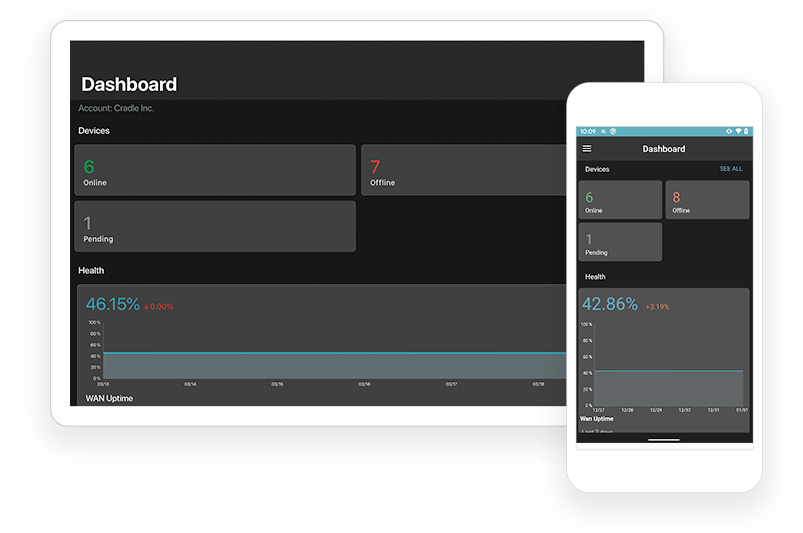
Ericsson NetCloud Mobile

Manage your NetCloud Service, routers, and other Ericsson Cradlepoint endpoints from a phone or tablet.

View downloads

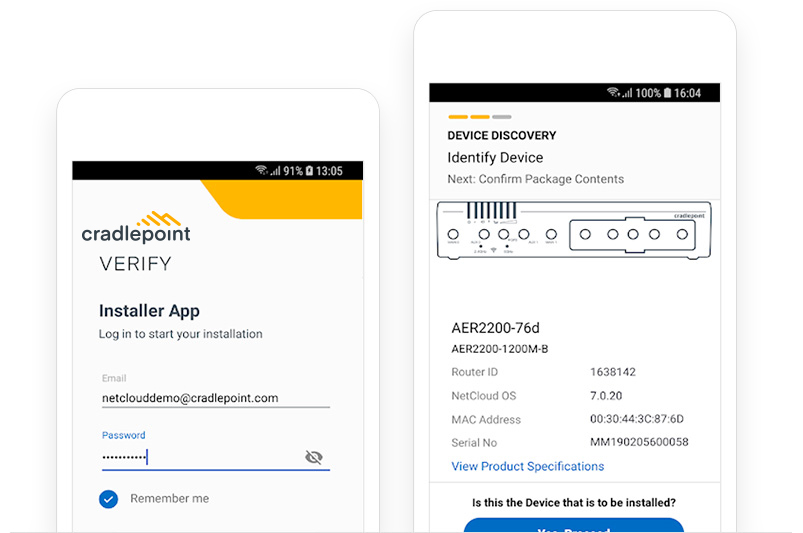
Ericsson NetCloud Verify

Use our app to install Ericsson Cradlepoint endpoints quickly and accurately with an easy, step-by-step process.

View downloads

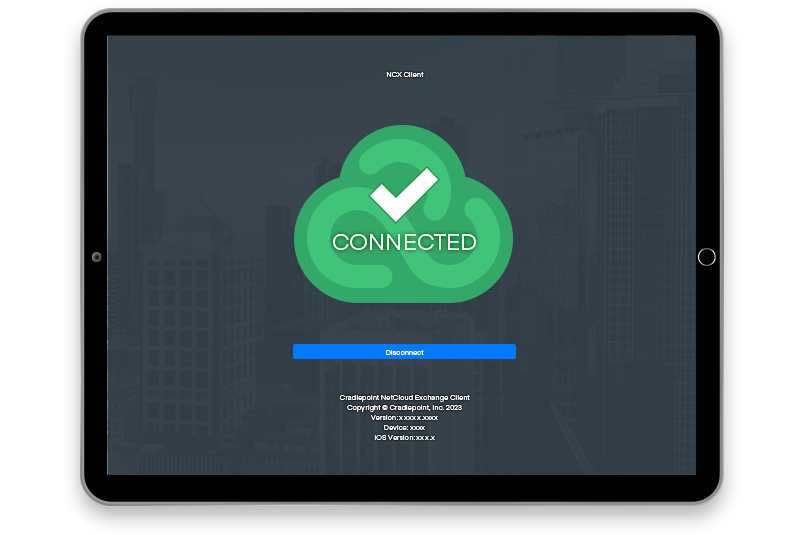
Ericsson NetCloud Client

Enable secure remote access to assigned resources as part of your Zero Trust Network Access (ZTNA) implementation ​

View downloads
pcem windows xp

Download NetCloud Mobile

NetCloud Mobile makes it easy to manage your NetCloud Service, routers, and other Ericsson Cradlepoint endpoints from a phone or tablet. Conveniently receive alerts, view router status, location, dashboards, check LTE and 5G signal strengths, initiate tests, and even force a reboot from any location.

App Store Google Play

Download NetCloud Verify

NetCloud Verify is a mobile installation app that helps staff quickly and accurately assemble, set up, and place Ericsson Cradlepoint endpoints as part of a Wireless WAN network.

App Store Google Play
pcem windows xp
pcem windows xp

Pcem Windows Xp

While PCem is often hailed as the "gold standard" for Windows 98, Windows XP is considered "overkill" for current emulation capabilities. CPU Overhead

Unlike modern hypervisors like VirtualBox or VMware, which prioritize speed by letting a guest OS share the host’s physical processor, PCem emulates every component—from the CPU to the video card—entirely in software. This makes it a "time machine" for early 2000s computing. pcem windows xp

Development on PCem has slowed, and the torch has largely been passed to , a fork that focuses on even deeper accuracy (including Intel Pentium Pro/II era nuances which are critical for the early XP experience). However, PCem retains a cult status for its specific "best guess" timing. It captures a specific moment in time—roughly 1999 to 2004—where the personal computer was transitioning from a hobbyist's tinker-toy to a mainstream appliance. While PCem is often hailed as the "gold
Having issues? Please contact our support team.

Contact support