LGBTQ+ culture is not a monolith; it is a coalition. The transgender community remains its heartbeat, reminding the world that the ultimate goal of the movement is the freedom to define oneself on one’s own terms.
Trans and non-binary individuals have always used art, language, and performance to process their journeys and connect with the world. This creativity spills over, heavily influencing mainstream and queer culture alike.
Early homophile movements of the 1950s and 60s (e.g., the Mattachine Society, Daughters of Bilitis) often excluded gender non-conforming people, viewing them as liabilities (Stryker, 2008). However, the 1969 Stonewall Uprising—a foundational myth for LGBTQ liberation—was led by transgender activists like Marsha P. Johnson and Sylvia Rivera, alongside butch lesbians and gay men of color. Despite this, the post-Stonewall gay liberation movement increasingly marginalized trans people. Rivera’s famous “Y’all Better Quiet Down” speech at the 1973 Gay Pride Rally, where she was booed for advocating for drag queens and trans sex workers, exemplifies early fractures (Gan, 2007).
LGBTQ community centers now prioritize:
No community is a monolith, and the transgender community has not always found a comfortable home inside LGBTQ culture.
In conclusion, the transgender community and LGBTQ culture are deeply intertwined, with each playing a significant role in shaping the other. While there have been significant advances in LGBTQ rights and visibility, there is still much work to be done to address the challenges and marginalization faced by transgender individuals. By centering the voices and experiences of transgender individuals and promoting intersectionality, we can work towards a more inclusive and equitable society for all.
Before the famous Stonewall Riots, trans individuals led protests against police harassment, such as the 1959 Cooper Donuts Riot in Los Angeles and the 1966 Compton’s Cafeteria Riot in San Francisco.
MichiganView is a consortium of academic member institutions dedicated to promoting the use and advancing the science of remote sensing technologies in Michigan schools, governments, and industries. MichiganView coordinates programs and services that emphasize remote sensing education, training, and research.
As a state member of AmericaView, MichiganView is part of a nationwide partnership that connects the work of innovative remote sensing scientists and educators from around the country. AmericaView is funded by a grant from the U.S. Geological Survey.
For more information on the AmericaView program, please visit AmericaView.org.
For a map of the state consortium members, please visit AmericaView membership map for more information.
LGBTQ+ culture is not a monolith; it is a coalition. The transgender community remains its heartbeat, reminding the world that the ultimate goal of the movement is the freedom to define oneself on one’s own terms.
Trans and non-binary individuals have always used art, language, and performance to process their journeys and connect with the world. This creativity spills over, heavily influencing mainstream and queer culture alike.
Early homophile movements of the 1950s and 60s (e.g., the Mattachine Society, Daughters of Bilitis) often excluded gender non-conforming people, viewing them as liabilities (Stryker, 2008). However, the 1969 Stonewall Uprising—a foundational myth for LGBTQ liberation—was led by transgender activists like Marsha P. Johnson and Sylvia Rivera, alongside butch lesbians and gay men of color. Despite this, the post-Stonewall gay liberation movement increasingly marginalized trans people. Rivera’s famous “Y’all Better Quiet Down” speech at the 1973 Gay Pride Rally, where she was booed for advocating for drag queens and trans sex workers, exemplifies early fractures (Gan, 2007).
LGBTQ community centers now prioritize:
No community is a monolith, and the transgender community has not always found a comfortable home inside LGBTQ culture.
In conclusion, the transgender community and LGBTQ culture are deeply intertwined, with each playing a significant role in shaping the other. While there have been significant advances in LGBTQ rights and visibility, there is still much work to be done to address the challenges and marginalization faced by transgender individuals. By centering the voices and experiences of transgender individuals and promoting intersectionality, we can work towards a more inclusive and equitable society for all.
Before the famous Stonewall Riots, trans individuals led protests against police harassment, such as the 1959 Cooper Donuts Riot in Los Angeles and the 1966 Compton’s Cafeteria Riot in San Francisco.
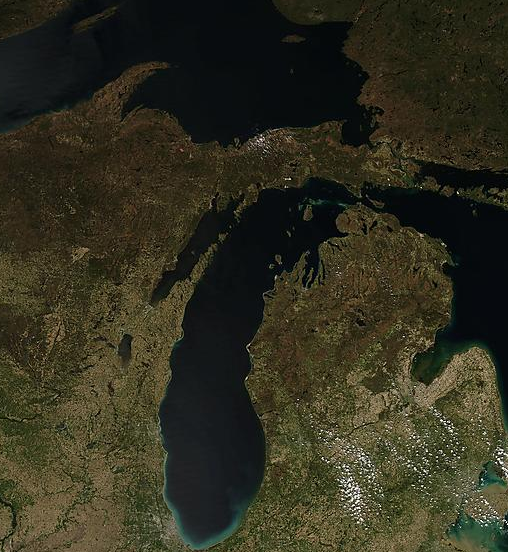
This link contains information on images generated from the MODIS sensors on NASA's Aqua and Terra satellites dating back to December 2008. There are multiple types of images available.
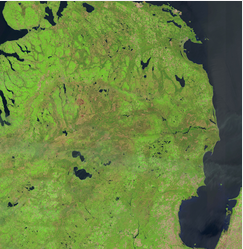
Beginning with the launch of Landsat 1 in 1972, Landsat holds the world record for continuous space-based image acquisition. This page contains links for imagery from Landsat 5, 7, and 8, as well as a calendar showing the dates when the satellites will pass over Michigan. asian shemales young
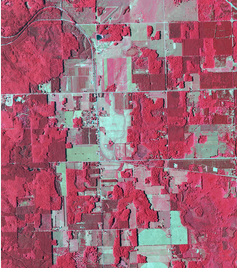
Administrated by the U.S. Department of Agriculture's Farm Service Agency (FSA), NAIP imagery is collected during the agricultural growing season for leaf-on aerials. This page includes imagery for each county in Michigan and includes both natural color and color infrared (CIR). LGBTQ+ culture is not a monolith; it is a coalition
The Great Lakes Border Flight Imagery includes imagery from 2008-2009 encompassing the Great Lakes borders. This dataset is made up of natural color orthoimages, which contain geographic data representing actual ground measurements and coordinates. Johnson and Sylvia Rivera, alongside butch lesbians and

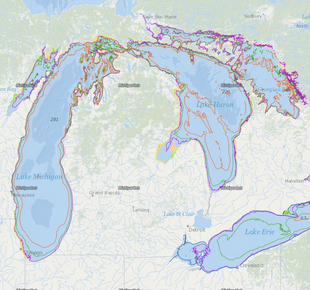
This page includes a number of online environmental maps developed by MTRI and other organizations. Examples include water quality, invasive wetland species, and submerged aquatic vegetation.